CooperAitken Admin

Contractor or Employee? Understanding the New Gateway Test

contractor or employee? understanding the new gateway test If your business engages contractors, subcontractors, consultants, or self-employed workers, an important legislative change could affect you. From 21 February 2026, New Zealand’s new Gateway Test provides a clearer framework for determining whether a worker is genuinely an independent contractor or should instead be classified as an employee. The distinction matters. Incorrectly classifying a worker can expose a business to significant liabilities including backdated PAYE, KiwiSaver contributions, ACC levies, holiday pay, and penalties. Whether you operate in construction, agriculture, transport, professional services, or another industry, now is a good time to review your arrangements. Why Was the Gateway Test Introduced? Historically, the contractor versus employee question has been determined through a series of court decisions that formed the “common law test”. While this approach considered the full circumstances of each relationship, outcomes could sometimes be difficult to predict. The Gateway Test was introduced to provide greater certainty by establishing clear criteria that, if satisfied, confirm a worker is operating as an independent contractor. If all gateway criteria are met, the worker will generally be treated as a contractor. If the arrangement fails the gateway criteria, the traditional common law analysis still applies. The Three Gateway Criteria To qualify under the Gateway Test, the worker must satisfy all three requirements. Ability to Work for Others The worker must be free to provide services to other businesses or clients. This does not require them to have multiple clients at any one time. However, their contract and working arrangements should not prevent them from accepting work elsewhere. Control Over Work or Ability to Delegate, The worker must either: Control when and how they perform their work; or Have the ability to subcontract or delegate the work to another person. Where a business controls a worker’s hours, directs how tasks are performed, and prevents delegation, the arrangement may begin to resemble employment. Ability to Decline Additional Work A genuine contractor should be able to refuse additional work without putting the entire relationship at risk. If saying “no” to a future job results in termination of the arrangement, this may indicate an employment relationship. The Test Applies Across All Industries Although contractor arrangements are commonly associated with trades and construction, the Gateway Test applies much more broadly. No industry is immune. Any business that engages self-employed individuals should consider whether its arrangements meet the Gateway Test requirements. Important: The Gateway Test Is Not Retrospective The Gateway Test applies from 21 February 2026 onwards. For periods before that date, the common law test continues to apply. This means businesses may need to consider both frameworks when reviewing long-standing contractor arrangements. The practical outcome is: Pass the Gateway Test – contractor status is confirmed. Fail the Gateway Test – the common law test determines status. Schedular Payments Remain Important The Gateway Test determines whether someone is a contractor or employee. It does not replace existing tax obligations. Many contractors are paid under the schedular payment rules, which require tax to be withheld before payment. For businesses engaging contractors, key obligations may include: Confirming contractor status. Applying the appropriate withholding tax rate where required. Meeting Inland Revenue reporting requirements. Contractor status and schedular payment obligations are separate issues and both need to be considered. A Quick Health Check The following indicators may help identify whether a relationship is more likely to be contracting or employment. Indicators of a Contractor Works for multiple clients Controls when and how work is performed Can subcontract or delegate work Provides own tools and equipment Can decline work without penalty Invoices for services Paid per project, milestone, or deliverable Indicators of an Employee Works primarily for one business Required to work set hours Directed on how work is carried out Cannot delegate work Appears on regular rosters Paid wages or salary No single factor is decisive, but arrangements that sit predominantly in the second category warrant further review. What Happens If You Get It Wrong? If a worker is ultimately found to be an employee rather than a contractor, a business may become liable for: Backdated PAYE deductions Employer KiwiSaver contributions ACC employer levies Annual leave and sick leave entitlements Public holiday payments Inland Revenue penalties and interest The financial impact can be significant, particularly where arrangements have existed for several years. How CooperAitken Can Help The Gateway Test provides greater certainty, but every arrangement still needs to be assessed based on its own facts and circumstances. We recommend that businesses review their contractor arrangements, agreements, and payroll processes to ensure they remain compliant under the new rules. A proactive review today could help avoid substantial costs and disputes in the future. Need help reviewing your contractor arrangements? Contact the CooperAitken team to discuss how the Gateway Test may affect your business.

Contractor or Employee? Understanding the New Gateway Test Read More »

ACC doesn’t have to be complicated

acc doesn’t have to be complicated When most people think about ACC, they think about levies, invoices, classifications, and paperwork. But when ACC is set up correctly, it’s much more than that. It’s about protecting your income, your business, and your future. At CooperAitken, we work with business owners, farmers, contractors, and self-employed individuals to help them understand and manage their ACC requirements. Our goal is simple: to make ACC easier to understand while ensuring our clients have the right cover in place and aren’t paying more than they need to. Helping You Understand Your Cover ACC can be confusing, particularly when there are different cover options available and changing circumstances to consider. Our team takes the time to explain how ACC works, what cover options are available, and how those options may affect you, your family, and your business. We help clients make informed decisions so they can have confidence that their cover aligns with their needs. Reviewing Costs and Compliance Many business owners are surprised to learn that ACC levies, classifications, payroll information, and liable earnings aren’t always aligned correctly. As part of our ACC service, we review your ACC arrangements, check classifications and levy calculations, and ensure everything is structured appropriately. This not only helps reduce compliance risks but can also identify opportunities to reduce unnecessary costs. Annual Reviews and Ongoing Support Businesses and personal circumstances change over time, which is why ACC shouldn’t be a “set and forget” exercise. We conduct regular reviews and provide tailored advice to help ensure your cover remains appropriate as your business grows, changes direction, or takes on new opportunities. Our team stays up to date with ACC requirements so you don’t have to. Support When You Need It Most No one plans to have an accident, but having the right ACC cover in place can make a significant difference when the unexpected happens. If a claim is required, we can help guide clients through the process, explain what support may be available, and provide assistance along the way. This includes helping clients understand their entitlements and navigating the administrative side of ACC during what can already be a stressful time. More Than Compliance For us, ACC isn’t simply about meeting obligations. It’s about helping clients protect what’s important and giving them confidence that they have the right cover in place. Whether you’re a farmer, business owner, contractor, or self-employed professional, our team can help you understand your options, manage your ACC requirements, and make informed decisions about your cover. How CooperAitken Can Help Our ACC team can assist with: Reviewing your current ACC arrangements. Explaining cover options and helping you choose the right solution. Checking levies, classifications, payroll information, and liable earnings. Conducting annual ACC reviews. Identifying opportunities to maximise cover while managing costs. Providing support through the claims process when needed. ACC can be complex, but it doesn’t have to be. With the right advice and support, you can have confidence that your cover is working for you when it matters most. Need help understanding your ACC cover? Contact CooperAitken’s ACC team. We are always happy to help. ACC TeamEmail: acc.morrinsville@cooperaitken.co.nzPhone: 07 889 7153

ACC doesn’t have to be complicated Read More »

Waikato Dairy Farming Benchmarking Reports Landing Soon.

Waikato dairy farming benchmarking reports landing soon! For more than four decades, we have been helping Waikato Dairy Farmers make better business decisions through meaningful benchmarking. Built from actual cash trading data across a large pool of Waikato Dairy Farming businesses, our annual benchmarking reports have become a trusted resource for farmers seeking greater insight into their farm’s performance. We are in the process of finalising the analysis for the 2025/26 season, so the latest Waikato Dairy Farming Benchmarking Reports will be available soon. While the numbers are still being collated and reviewed, anticipation is already building. Dairy Farmers have navigated another season of changing conditions, opportunities, and challenges, making it more important than ever to understand how their results compare across the wider Waikato region. Why Benchmarking Matters Benchmarking is about much more than comparing numbers. It provides valuable context around how your business is performing relative to similar farming operations and helps identify opportunities for improvement, efficiency, and growth. Whether you’re reviewing profitability, assessing on-farm spending, planning future investment, considering succession, or exploring expansion opportunities, benchmarking provides an independent perspective that supports informed decision-making. Our reports allow farmers to: Compare their performance against similar Waikato Dairy Farming businesses. Identify strengths and opportunities within their operation. Track performance trends over time. Gain confidence in business and financial decisions. Understand what drives success across the industry. [ Built on Real Waikato Farming Data One of the key strengths of our benchmarking reports is the quality of the data behind them. The reports are compiled from actual cash trading information from CooperAitken Dairy Farming clients throughout the Waikato, creating a practical and relevant snapshot of regional farm performance. This data pool allows us to develop meaningful benchmarks that farmers can confidently use within their own businesses. The reports include analysis across four key farming groups: Farm Owner Operators Farm Owners with 50/50 Sharemilkers 50/50 Sharemilkers Farm Owners with Contract Milkers This level of detail enables farmers to compare their business against others with similar operating structures, making the insights more relevant and actionable. A Valuable Planning Tool The most successful farming businesses are often those that regularly measure, review, and adapt. Benchmarking helps separate assumptions from facts by providing a clear picture of where a business sits compared to industry peers. It highlights areas that may warrant further investigation and can help validate management decisions already being made on-farm. For many farmers, the benchmarking reports have become an important annual planning tool, providing valuable insight when preparing budgets, evaluating performance, and setting goals for the season ahead. Coming Soon The 2025/26 Waikato Dairy Farming Benchmarking Reports will be available shortly. Whether you’re a long-time user of the reports, included in the data pool or accessing them for the first time, we believe they are one of the most valuable tools available for understanding farm performance through a Waikato lens. Keep an eye out for our upcoming data release event, and our website for your free copy. To learn more about our benchmarking reports or discuss tailored benchmarking and budgeting for your farming business, get in touch with our team. Check out our statistics Our benchmarking reports

Waikato Dairy Farming Benchmarking Reports Landing Soon. Read More »

Livestock Values – What do they mean for me?

livestock values – what do they mean for me? Farmers livestock often form a large part of their assets and therefore deserve consideration by owners on how to manage for the future. In May/June each year the IRD Herd Scheme values are released, and as advisors we are often asked: Are they out yet? What will they be? What will they mean for my tax bill? A review of May balance date farmers’ 28 June tax is important, particularly with higher profitability trends this season. However, at CooperAitken we also believe when making tax and livestock valuation decisions, an equally important question is “What does it look like in 5–10 years’ time so we can plan accordingly?”. To help plan treatment of livestock in the financial statements, clients need to understand where we have come from with the rules, where we are currently, and what may happen in the future for individual clients and their specific needs. Although the IRD herd values are not released when this article was published, farmers should understand and consider the following. Where have we come from For many years farmers have been able to value livestock under methods such as Market Value, Self Assessed Cost, National Standard Cost (NSC) and National Average Market Values (Herd). In broad terms farmers mainly use two main options being the NSC and Herd. Fundamentally there has been little change in the two main methods since implemented approximately 30 years ago. The Herd option treats the livestock as a capital asset with tax assessed on any change in livestock numbers or categories, or when livestock is sold at a value different to the IRD’s annually published Herd Scheme values. IRD survey livestock agents across the country and base Herd Scheme values on market value sales in recent months. The main alternative, NSC value, treats the stock as a trading asset with tax paid on any change in calculated values between years. The NSC value is based on IRD assessment of the costs to breed, rear and grow the animal as well as factoring in costs of animals purchased. Sale of the herd when on NSC has traditionally led to higher taxation at the time of sale compared to the Herd Scheme. Although the base methodologies have not changed in the last 30 years, IRD updated rules approximately 13 years ago as anti-avoidance measures to manage transfers between livestock valuation schemes, stock transfers between related parties, generational livestock transfers and when taxpayers cease farming. Rules in this area are complex and require advisors specialising in rural and livestock farming to manage pitfalls and opportunities for clients. With farm succession topical for many farmers and forecasts signalling significant transfer of wealth in coming years, planning for these specialised rules is needed by a suitably qualified advisor. Where we are currently With the base livestock tax valuation methodology largely unchanged for the last 30 years, there are many tools and programs that can work out behind-the-scenes valuation calculations. However, questions should be raised; Are they still relevant for the ever-evolving industry? For example: Do the rules reflect changes in the industry over the last 30 years, such aso Shifts to Winter Milk supply and Autumn Born calveso Change in cost structures with herd homes, environmental costs, and animal welfare considerationso Hybrid situations where clients are both trading in livestock and maintaining base capital herdso Use of technology such as wearables and roboticso Higher input farming systems These factors, among others, change the cost structure and nature of the farm. Are these reflected in 30-year-old methodologies? The nature of a farmer’s business has evolved, with larger and more complex operations, leading to more complex structures. Do the rules cover multi-owner, multi-property and multi-generational operating structures easily and fairly? If the user or advisor does not understand the logic when using automated livestock valuation tools to produce a single value at a point in time, they cannot guide farming clients on how that value should be applied, particularly for more unique situations or when planning ahead. Planning for the future At CooperAitken we view planning for the future as important. Therefore, we challenge our clients when livestock values are released or discussed, that they not only consider what this means for taxes today and the next 12 months, but also consider: Do we understand what this means for the future, and is it aligned with my business and personal plans? Will the livestock be transferred to family, and how am I placed tax wise for this transfer? Farming businesses go in cycles. Is there opportunity to change livestock valuations if the business cycle allows? What happens if the rules are updated to reflect modern farming practices. Are we well placed? If there is a change in the political environment will that affect my decision, for example if a capital gains tax was introduced? Will the savings on decisions today be more expensive in the future? Overall, livestock are a significant asset of farmers, and the financial and tax aspects need to be managed by the farmer and a suitably qualified rural professional asking the right questions. You can check our website www.cooperaitken.co.nz for further details on statistical analyses of farm profitability and historical trends on Herd Scheme values compared to payout or contact any of the team for assistance with these matters. Grant EddyPartner, CFO and Chartered AccountantP: 07 889 7153M: 029 276 6637E: grant@cooperaitken.co.nz  More on Grant

Livestock Values – What do they mean for me? Read More »

Xero Subscription Price Increases from 1 October 2026

XERO SUBSCRIPTION PRICE INCREASES FROM 1 OCTOBER 2026 Xero has announced that it will be increasing subscription prices for New Zealand customers from 1 October 2026. To help you stay ahead of upcoming business costs, we wanted to give you notice of these changes before they take effect. Xero has advised that the following monthly subscription prices will apply from 1 October 2026; While cost increases are never ideal, Xero continues to invest in new features and functionality designed to help businesses save time, improve efficiency and gain better visibility over their financial performance. There is no action required on your part, as the new pricing will be applied automatically from 1 October 2026. For clients whose Xero subscription is managed by CooperAitken, these costs are now billed separately from our accounting and advisory services due to our software change earlier in the year (see previous comms here). As a result, the updated Xero pricing will start to be reflected in invoices issued from November. If you’re unsure whether you’re on the most suitable Xero plan, or you’d like to explore ways to get more value from your subscription, we’d be happy to help. A quick review of your setup can often uncover features and tools that make day-to-day administration easier and provide better business insights. Get in touch with our payroll team P: 07 889 7153E: wages@cooperaitken.co.nz

Xero Subscription Price Increases from 1 October 2026 Read More »

Is your why still showing up in your business?

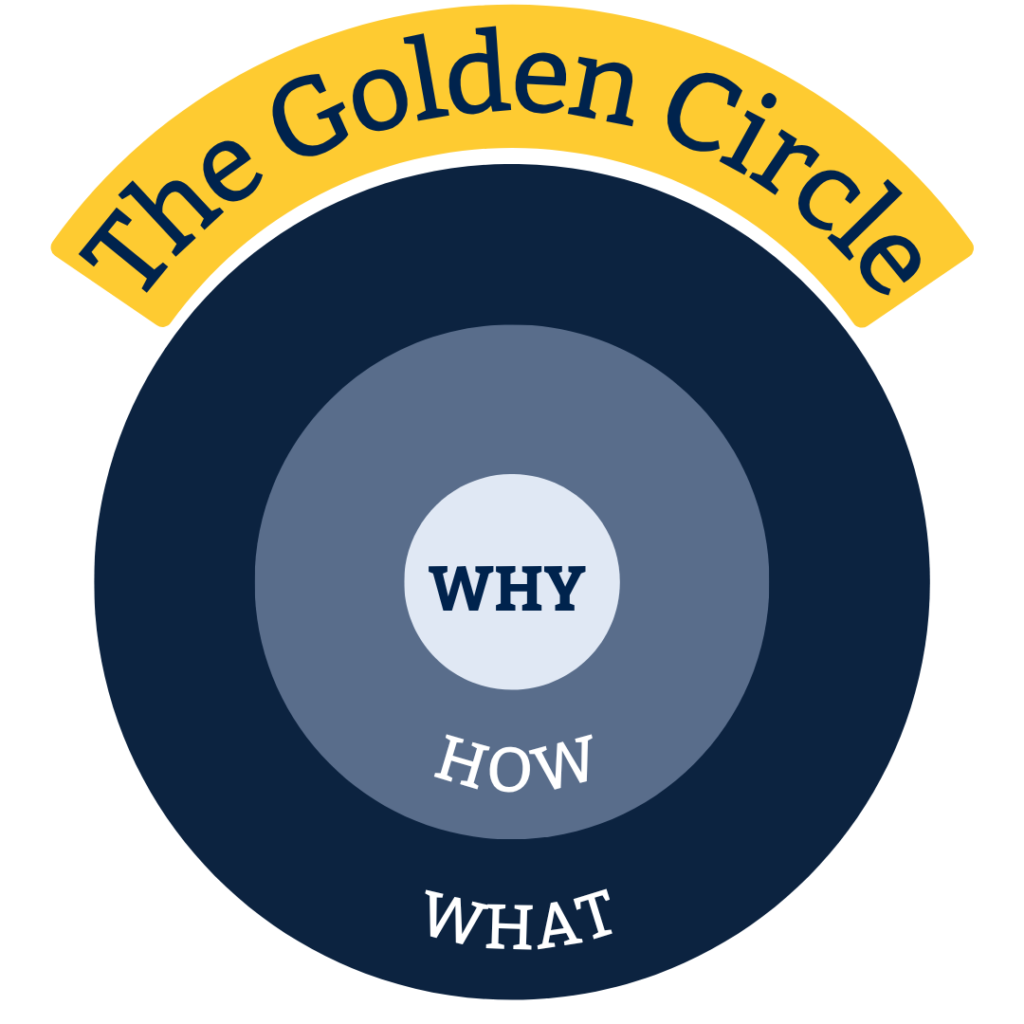
is your why still showing up in your business? Most businesses don’t start by accident. They begin with a reason. A problem to solve. A passion to pursue. A lifestyle to create. A legacy to build. Over time, however, businesses grow. Teams expand. New opportunities emerge. Processes evolve. Before long, it’s easy to find yourself focused on what needs to be done today rather than why you started in the first place. That’s why Simon Sinek’s Golden Circle continues to resonate with so many business leaders.Not because it helps you discover your purpose.But because it helps you stay connected to it. The Golden Circle The framework is simple: Why Why does your business exist?How How do you deliver on that purpose?What What products, services or solutions do you provide? While most businesses can clearly explain what they do, the real value of the Golden Circle is that it encourages us to routinely check whether our daily actions still align with our original purpose. Because purpose isn’t just something you define once and file away. It’s a filter for decision-making. The Question Isn’t “Do You Have a Why?” The more interesting question might be: Is your why still visible in the way your business operates today?Can your team see it? Can your clients feel it? Does it influence the decisions you make?When faced with competing priorities, challenging market conditions, or opportunities for growth, does your purpose help guide the path forward? The businesses that remain relevant over the long term often have a remarkable consistency about them. Their products may change.Their technology may evolve. Their services may expand. But the reason they exist remains remarkably clear. Bringing Purpose to Life At CooperAitken, we’ve spent time reflecting on our own Golden Circle. Our purpose isn’t accounting.It’s not tax returns. It’s not financial statements. Those are things we do. Our why is:Creating freedom in your business.Freedom looks different for every client. For some, it’s confidence in their numbers. For others, it’s having someone to help navigate uncertainty. For others, it’s creating more time, more opportunity, or a clearer path forward. Our how is through trusted relationships and practical expertise And our what is the accounting, advisory, tax and specialist services we provide every day. The services themselves matter. But their true value comes from how they help deliver on our purpose. A Useful Reflection Regardless of the industry you’re in, it’s worth occasionally stepping back and asking: Has our purpose changed, or simply evolved? Are our daily actions aligned with that purpose? Do our clients experience the reason we say we exist? If someone asked our team why we do what we do, would they all give a similar answer? Not because there’s a right or wrong answer But because clarity creates alignment. And alignment helps businesses make better decisions. The Real Value of Knowing Your Why The Golden Circle isn’t just a branding exercise. It’s a reminder that purpose should be more than a statement on a website. It should influence how you lead, how you serve clients, how you make decisions, and how you define success. Because while the what may change over time, the strongest businesses never lose sight of why they exist in the first place. Turning Your Why Into a Plan Knowing your why is important But knowing it and actively using it to guide your business are two very different things. This is where a business plan can become one of the most valuable tools a business owner has. A good business plan is more than a budget or a set of financial projections. It’s an opportunity to step back from the day-to-day, revisit your purpose, and ensure your goals, priorities and actions are aligned with where you want your business to go. When your purpose is clear, decisions become easier. Opportunities can be assessed against your long-term vision. Investments become more intentional. Your team gains clarity around what matters most and why. At CooperAitken, we work with business owners to develop practical business plans that do more than sit on a shelf. We help businesses define where they’re heading, identify the actions required to get there, and create accountability along the way. Whether you’re planning for growth, navigating change, preparing for succession, or simply wanting greater clarity and direction, a business plan can help ensure your why continues to show up in the choices you make every day. Because purpose provides the direction.A plan helps you get there. If you’d like to explore how a business plan could help bring greater clarity, alignment and focus to your business, our team is here to help.

Is your why still showing up in your business? Read More »

Overseas Beneficiaries: Equal on Paper, Different in Reality

overseas beneficiaries: equal on paper, different in reality. Many New Zealand families have children or grandchildren living overseas, particularly in Australia. What is often overlooked is that a beneficiary’s country of residence can have a significant impact on the tax consequences of trust distributions and inheritances. Issues can arise when a trust is being wound up following the death of a parent or surviving settlor. Trustees are then tasked with distributing trust assets in accordance with the trust deed. On the surface, the process may appear straightforward. However, where beneficiaries live in different countries, the outcome can be quite different from what was intended. Imagine Mum and Dad’s family trust holds $1 million of assets and, following their passing, the trustees intend to divide those assets equally between their two children. One child lives in New Zealand, while the other has been living in Australia for several years. On paper, each child may receive $500,000. However, the after-tax outcome may not necessarily be the same. While there are currently no New Zealand tax consequences, overseas tax rules can produce a very different outcome. In Australia, for example, a beneficiary who receives funds from a New Zealand trust may face tax obligations that would not arise if they were living in New Zealand. In some cases, the tax cost for an overseas beneficiary can be significant i.e. 45%. As a result, an inheritance that appears to be divided equally between beneficiaries may produce very different outcomes once overseas tax rules are taken into account. Importantly, it is not just direct trust distributions that should be considered. Loans, forgiven debts and other arrangements can also create unintended tax consequences overseas. That is why it is important to obtain specialist advice before implementing an estate plan or making significant distributions. The reality is that many trusts were established years ago when all family members lived in New Zealand. Today, it is increasingly common for children and grandchildren to live permanently overseas. A trust that has operated without issue for decades can suddenly have cross-border tax considerations when the time comes to distribute assets. That is why estate planning should involve more than simply deciding who receives what. It is equally important to understand what each beneficiary is likely to receive after tax and whether that outcome aligns with your intentions. At CooperAitken, we regularly work alongside our clients’ solicitors and other professional advisers to review trust structures, wills, estate plans and succession arrangements. Bringing advisers together around the table early can help identify potential issues, consider available options, and ensure decisions are made with a clear understanding of the likely outcomes. After all, good estate planning is not just about dividing assets equally. It is about making sure the people you wish to benefit receive the outcome you intended. Is It Time for a Trust and Estate Planning Review? If you have a family trust and one or more beneficiaries live overseas, now may be the perfect time to review your arrangements. A proactive review before distributions are made can help avoid surprises and provide peace of mind that your plans will work as intended. Speak with the CooperAitken team about your trust and estate planning arrangements. Together with your solicitor and other professional advisers, we can help you understand the likely outcomes for your beneficiaries and ensure your family’s wealth is passed on as intended. Carissa CressyPartner + Chartered Accountant P: 07 888 8002M: 021 448 240E: carissa@cooperaitken.co.nz More about Carissa

Overseas Beneficiaries: Equal on Paper, Different in Reality Read More »

Farewell, Janet Pitkethley

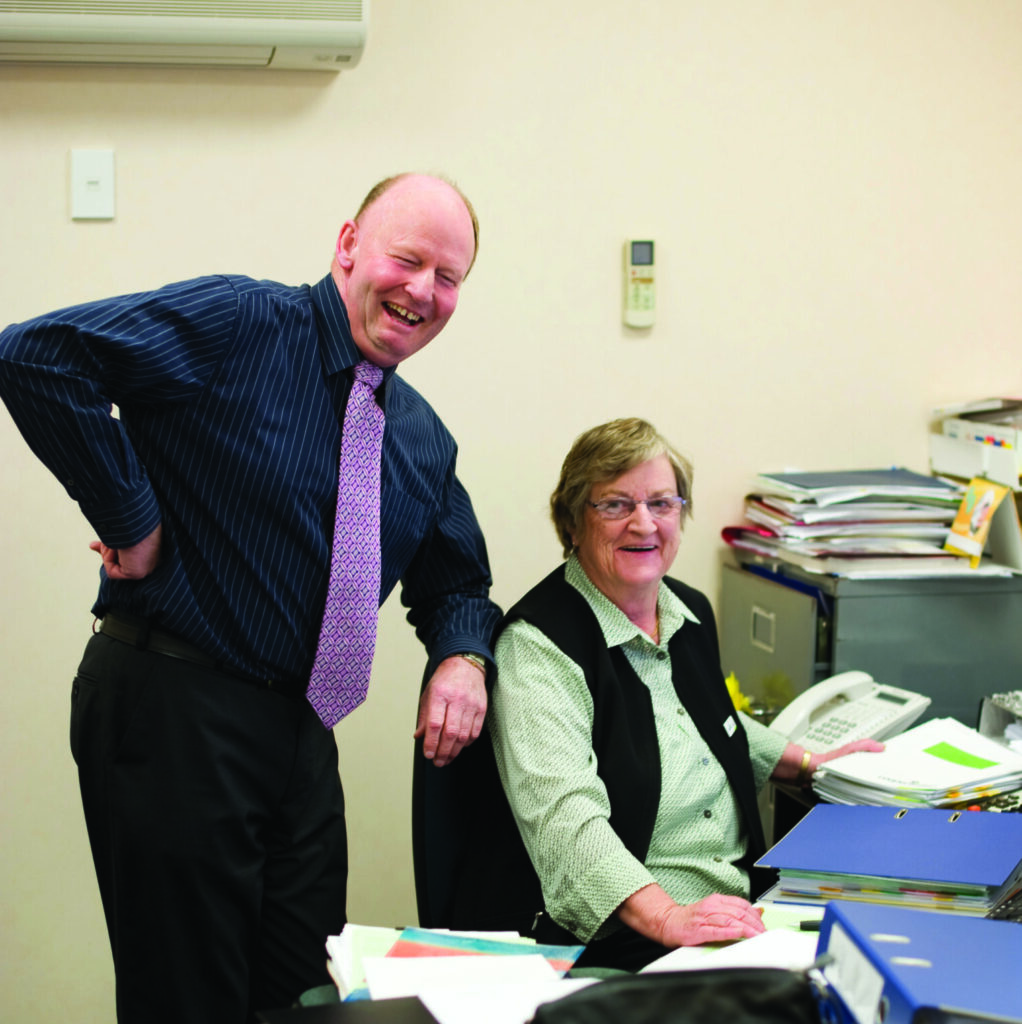
farewell, janet pitkethley After 63 years with CooperAitken, Janet Pithekley has retired. Janet began her career with the firm at just 16 years old, starting work for Bob Aitken (Rodney Aitken’s father) in 1964. As a junior, her responsibilities included making coffees and morning tea, collecting the mail, and helping with general office duties. Looking back, Janet says that “accounting was very different” in those days. Accountants prepared tax returns and accounts for clients who were generally much smaller operations than they are today. Clients would often drop off their paperwork once a year, sometimes arriving with their entire office desk drawer and literally tipping it onto the reception counter. Everything was done manually, with no computers or spreadsheets. Information was recorded from cheque books, figures were transferred by hand onto working papers and balance sheets, and debits and credits were added up and balanced manually.  Rodney Aitken and Janet Pitkethley in 2011. Finished returns were then hand-delivered to Inland Revenue before the doors closed for the day. Since Janets start in 1964, the profession has undergone enormous change. From the introduction of decimal currency and GST to changes in livestock valuation and countless tax legislation reforms, Janet has witnessed it all and, remarkably, adapted throughout every stage of the profession’s evolution. Over her 63 years with the firm, Janet became a leader, mentor, and, for many, a second mother. She has been part of several significant chapters in the firm’s history. Janet started with Bob Aitken before Rodney Aitken joined as a partner in 1981. Following Bob’s retirement, Imran Raza became a partner, and the firm became RM Aitken & Associates. In 2000, Rodney, Imran, Janet, and 5 team members, joined with Bannin Cooper (Trevor Cooper) & Partners to form Cooper Aitken & Partners. The merger saw the team move into the Morrinsville building the firm still occupies today and marked the beginning of significant growth, eventually expanding to more than 70 staff. Janet has played a role in many of the firm’s major milestones and, throughout it all, was Rodney’s trusted right-hand person. (or as Rodney says, my right AND left hand person!) “Janet’s hard work has always spoken for itself,” says Rodney, who describes her as “quiet, unassuming, humble, competent, and professional. A mother not just to her family, but to everybody in the firm.” One of Janet’s greatest joys was watching team members join the firm and progress throughout their careers, with many moving into senior and leadership positions, and some becoming Partners. Often working behind the scenes, she provided encouragement, support, and guidance, taking great pride in seeing others succeed. Janet is incredibly grateful for her career and her time at CooperAitken. Her advice to others is to always be thankful for where you started and for the people who gave you an opportunity. Over the course of her career at CooperAitken, Janet became an Associate Chartered Accountant, with a particular passion for the rural sector and extensive expertise in bloodstock accounting. She was a trusted advisor and familiar voice to many clients, building relationships that often spanned multiple generations of the same family. These enduring connections are among the parts of her career she has valued most. Janet describes her career as “an amazing journey through enormous change.” So, what kept Janet at CooperAitken for 63 years? A strong sense of loyalty, a supportive team, a genuine love for the work, and the fulfilment she gained from helping clients. The team farewelled Janet at a celebratory lunch a few weeks ago, and she is now looking forward to quieter days spent with her dog, Pedro. We wish Janet all the very best for the years ahead. She will be missed by many. We thank her for her many decades of hard work, dedication, and the incredible contribution she has made to our firm, our team, and our clients.

Farewell, Janet Pitkethley Read More »

Gavin Haddon’s Next Chapter: Farewell after 38 years with CooperAitken

we farewell gavin after 38 years with cooperaitken After an incredible 38 years with CooperAitken, Partner Gavin Haddon concluded his time with the firm on 31 March 2026. Gavin’s dedication, leadership, and unwavering commitment to our clients and our people have left a lasting legacy. We would like to take this opportunity to acknowledge Gavin’s outstanding contribution and thank him for the significant impact he has made over many years. Over the past year, Gavin has taken great care in transitioning his client relationships to existing partners from within the practice who are well placed to support each client’s needs. As a relationship‑driven firm, this handover has been a key priority, ensuring continuity, strong connections, and the same trusted level of advice going forward. CooperAitken continues to be led by Partners Deborah Hollands, Grant Eddy, Anna Bennett, Peter Hexter, Rory Noorland, Carissa Cressy, Amy Watson (Coombes), Gerrie Jacobs, Coral Philips, Megan Potter, Rachel Robb, and newly appointed Partner Louise Maxwell Granich. The existing partners look forward to building strong, trusted relationships through working closely with the new clients and supporting them on their business journey towards time, mind and financial freedom. Gavin joined CooperAitken on 22 November 1988, beginning his career as an Accountant before progressing to Partner nine years later following Gary Caves’ departure. Over nearly four decades, Gavin both witnessed and drove significant change within the firm, playing a pivotal role in shaping CooperAitken into the business it is today. During his time as a partner, including his role as Board Chair from 2005 to 2015, he became a highly respected mentor, with around half of the current partners having either worked in his team or been guided by him into partner roles. Gavin has a genuine passion for seeing others succeed – he measures his own success by theirs, and this is a quality that will be deeply missed within the firm. His warmth, professionalism, and energy made a real difference to both his clients and team. Reflecting on his time at CooperAitken, Gavin shared how proud he is of both the team and his years as a Partner. He spoke warmly of the growth and development of many team members, each building remarkable careers, and of the way the firm continued to adapt to new challenges and opportunities with resilience and progress. Throughout his career, Gavin valued the trust placed in him by clients and the strong relationships built along the way – relationships he noted would continue beyond his time with the firm. While we are really sad to see Gavin go, we are equally excited for what lies ahead for him. Retirement will see Gavin spending more time with his family, supporting his wife and her business ventures, and enjoying more time on the water and seeing the world. If you have any questions regarding your ongoing support or would like to connect with your current Partner or Advisor, the CooperAitken team is always happy to assist. Our support and commitment to our clients with remain as it always has.

Gavin Haddon’s Next Chapter: Farewell after 38 years with CooperAitken Read More »

Introducing our new Partner: Louise Maxwell-Granich

introducing our new partner: louise maxwell-granich We’re excited to share that from 1 April 2026, Louise Maxwell-Granich has been appointed a Partner at CooperAitken. Louise has been a valued member of our team for the past eight years and has been Client Manager to Anna Bennett since 2021. Over this time, she has built strong, trusted relationships with clients across the agri-business and commercial sectors, and has become known for her practical, commercially focused advice and clear, approachable communication style. Louise has extensive experience advising farming and agri‑based businesses, alongside a wide range of commercial entities. Her expertise spans business and tax planning, entity and ownership structures, succession and long‑term planning, IFRS reporting and compliance, and trusts and company structures – allowing her to provide practical, well‑rounded advice that supports clients through growth, change, and investment decisions. Throughout her career at CooperAitken, Louise has worked closely with clients to help them navigate complexity with confidence, ensuring tax efficiency, compliance, and commercial realities are always carefully balanced. Commenting on her appointment, Louise said: “I’m excited to be stepping into the role of Partner at CooperAitken. I’ve always valued working alongside clients, helping them navigate challenges, plan for the future, and build strong, sustainable businesses. I’m looking forward to continuing to support our clients and contributing to the ongoing growth and success of CooperAitken.” Louise will continue working closely with her existing clients in her new role. Her appointment recognises her outstanding contribution to the firm and reflects our ongoing commitment to strong leadership and continuity for the benefit of our clients. Outside of work, Louise enjoys gardening and baking (often sharing the results with the office), keeping active through netball and the gym, and spending time with family, friends, and her very cute dog. She also has a keen interest in travel and history. We are incredibly proud of Louise and excited to see her step into her partner role. Her appointment is a significant milestone for both Louise and CooperAitken, and we greatly look forward to the leadership, insight, and continued value she will bring to our clients and our firm. If you’d like to discuss how our team can support you, feel free to reach out to Louise or your usual CooperAitken advisor.

Introducing our new Partner: Louise Maxwell-Granich Read More »

Scroll to Top