CooperAitken Admin

Beyond Degrees: How work ethic and character help shape career success

Beyond degrees: how work ethic and character help shape career success In the last year 12 months both of our children have entered the workforce and are pursuing careers which they have passion for. As parents we all know that the choice of vocations is endless. Fortunately, when our children attended college we engaged consultants to assist them in an appropriate career direction. The whole process of applying for jobs and eventually getting one has been a real education for me. I thought it appropriate to share what we have experienced. Our Daughter – During college and university, we have encouraged our children to seek employment along with following other passions. For her, this included work at Pak n Save and New World stacking shelves, rowing and coaching as well as Surf Lifesaving. She also worked part-time as an administration assistant learning Xero, Accounts Payable & Receivable etc. At the time we didn’t realise how much importance this work experience and association with rowing would help her get a job. During her 3rd year at University, she was accepted as an intern in a large multinational. Pretty much she “licked stamps” and was “sole charge of the drinks trolley” which she was not impressed with. When she finished university, she didn’t have a job offer so immediately went to McDonalds to work in admin. The dream job offer came from the Multinational and she was away. Our Son – Same as above, he worked at New World, Pak N Save as well as McDonalds. Not only that he saw the benefits of making a “quick buck” from Uber Eats. Driving tractors all summer,  part time rental car company manager and learning administration including Xero were further additions to his C.V. The big break was a 100 hour internship at Waikato Regional Council. Swimming and surf lifesaving were also on the radar. University wasn’t really his thing so his grades were slightly above average (typical boy)! Then the job hunting started. Multiple applications were made with the corresponding number of declines. It had a huge negative impact on his wellbeing and self-esteem. After some thought we engaged an expert to “jazz up” his C.V. The perfect job was advertised, and he applied. The first interview was on “Teams” at 6.00pm on a Sunday night, the second was at the premises with the HR officer and the 3rd with the whole team of 30. The importance placed on his degree was minimal, all they needed to know was that he had one. 90% importance was placed on work ethic, references (not family), referees, sports coaches etc. My learnings have taught me that although education is important, the modern-day employer is interested in how rounded the applicant is in many aspects of their life. Huge importance was placed on character and employer references and less on the degree itself. Gavin HaddonChartered Accountant P: 07 889 7153E: gavin@cooperaitken.co.nz

Beyond Degrees: How work ethic and character help shape career success Read More »

Buying and Selling Farms

buying and selling farms Purchasing a farm is one of the most significant investments a person can make, it’s not just a financial decision, but a lifestyle commitment. At CooperAitken, we understand the complexities and opportunities that come with purchasing rural property. With decades of experience supporting the rural sector, we’re here to guide you every step of the way.  Why Buying a Farm Requires Expert Support  Purchasing a farm involves a unique set of challenges:  Due diligence on land use, environmental compliance, and water rights   Financial structuring and funding arrangements   Profitability and forecasting to make sure the business is sustainable and financially well managed  Succession planning and ownership structures   Tax implications and GST considerations   Livestock valuation and tax treatment   Risk strategy including people, property and financial    Benchmarking and performance analysis   Collaboration with rural professionals  That’s where CooperAitken comes in.  How CooperAitken Supports You; 1. Strategic Financial Advice We help you assess the financial viability of your farm purchase. From budgeting and cash flow forecasting to liaising with banks and lenders, our team ensures you’re making a sound investment. Identify and work with key stakeholders.  2. Structuring for Success Whether you’re buying as an individual, a trust, or a company, we’ll help you choose the right ownership structure to protect your assets, optimise tax outcomes, and support long-term goals. Understand the tax implications of the purchase price allocation rules, in particular buildings, feed on hand, development and trees.  What is the settlement date of the sale or purchase and what tax implications will this have?  3. Due Diligence & Risk Management Our team works alongside your lawyer and real estate agent to review financial records, assess compliance risks, and ensure there are no hidden surprises.  4. Tax, GST & Livestock Considerations Farm purchases often involve complex tax and GST rules including when livestock is involved. We can help you with:  Understand the Herd Scheme vs National Standard Cost (NSC) valuation methods and choose the most tax-efficient option   Manage livestock valuation elections correctly at the time of purchase   Navigate livestock transfers and valuation mismatches   Ensure GST is correctly applied to livestock and land components  5. Benchmarking for Smarter Decisions We offer our own in-house benchmarking services, giving you access to real-world data from farms across the region. This allows you to:  Compare your potential farm’s performance against industry averages   Identify areas for improvement and growth   Set realistic financial and production targets   Make informed decisions based on proven data  6. Strong Relationships with Rural Professionals We work closely with a trusted network of rural professionals,  including banks, lawyers, real estate agents, and farm consultants. These relationships mean we can connect you with the right people at the right time, ensuring a smooth and coordinated farm purchase process. Our collaborative approach helps streamline communication, reduce delays, and provide you with a well-rounded support team.  7. Succession & Long-Term Planning If your farm purchase is part of a broader family or succession plan, we’ll help you align your investment with your long-term goals, ensuring a smooth transition for future generations, as well as navigate sometimes complex associated person tax implications. 8. Integration with Industry Tools As a firm that integrates with platforms like Xero and Figured, we streamline your financial reporting and farm management, giving you real-time insights and peace of mind.  Common Issues to Consider When Buying or Selling a Farm Whether you’re purchasing or selling a farm, there are several key considerations that can significantly impact the outcome:  Land Use & Zoning Restrictions: Ensure the land is zoned for your intended use and check for any environmental or council restrictions.  Water Rights & Access: Water is a critical asset. Confirm water consents, irrigation infrastructure, and compliance with regional council regulations.  Soil Quality & Environmental Compliance: Soil testing, nutrient management plans, and environmental compliance (e.g., freshwater regulations) are essential for sustainable operations.   Effluent and Nutrient management: check for effluent discharge consents and nutrient budgets.  Supply contracts: Milk processor agreements, grazing contracts and other operational commitments should be reviewed.   Stock Valuation & Transfer: Understand how livestock will be valued and transferred  and the tax implications of different valuation methods.  Infrastructure & Equipment: Assess the condition and value of farm buildings, fencing, effluent systems, and machinery included in the sale.  Healthy homes are farm houses compliant with healthy homes standards?  Staff & Employment Obligations: How will you manage the work on the farm, will you employ a new team or does the farm come with existing staff? Employment contracts and obligations must be reviewed and managed carefully.  Financial Performance History: Review past financials to understand profitability, debt levels, and potential for growth.  Succession or Exit Planning: For sellers, planning ahead ensures a smooth transition and maximises value. For buyers, understanding what your end goal is and working back from there on how best to achieve this.   At CooperAitken, we help you navigate all these areas with confidence.  We are more than accountants, we are your business advisors. If you’re considering buying or selling a farm, talk to us first. We’ll help you make informed decisions and set your farming future up for success.  Contact us today to start your journey.  Anna BennettPartner + Chartered Accountant P: 07 888 8002E: anna@cooperaitken.co.nz

Buying and Selling Farms Read More »

Important ACC Levy Changes

Important acc levy changes ACC have announced some changes in the new levy year which include some adjustments that may possibly affect you. Working Safer Levy From 1 April 2025, Working Safer levies for all CoverPlus Extra policyholders will be calculated based on the level of cover rather than liable earnings which has been the case in the past.  What is a Working Safer Levy?  ACC collect this levy on behalf of WorkSafe New Zealand. It goes towards supporting WorkSafe’s activities and injury prevention across the country. This change means the following will now occur: Eventually, if you hold a CoverPlus Extra policy your Working Safer Levy will be included in your annual invoice at renewal time. This should start occurring in April 2026.  The transition period means you may be receiving your 2025 Working Safer Levy based on your liable earnings as well as your 2026 Working Safer Levy which is based on your level of cover this year. You may already have received your 2026 levy and your 2025 levy will be generated after your 2025 tax return is completed. If you are a Shareholder-Employee and are on CoverPlus Extra you won’t get a Working Safer Levy invoice under your company policy anymore. If you have been on CoverPlus Extra for part of the year, the pro-rated business invoice will still apply. General Levy Increase Every business and self-employed person in New Zealand pay a work levy which goes into an ACC Work Account.  There is to be a small increase every year over three years from 1 April of each year. Classification units for sports and home improvement businesses There have been some changes regarding ACC levy classification units to better reflect the business activity your engaged in and the risk associated with that particular activity.  There may be increases or decreases to levies depending on certain criteria.  Check out ACC levy changes for business for an informative breakdown. No Claim Discounts No Claim Discounts have always been applied to ACC policies as a loading or discount based on the claims history The No Claims Discount adjustments will no longer apply for the 2027 levy year onwards. From this date your Work levy will be calculated using a rate determined by your business activity (Classification Unit) only. ACC feel that this scheme isn’t delivering improved health and safety outcomes as first expected so change is required. Payment Plans incurring interest Currently all ACC levy payers using a direct debit payment plan of either 3 or 6 months do not pay interest.  From 1 April 2026, interest will be applied to all plans. The reason ACC are using this method is to improve fairness across the board and better encourage on-time payments.  You will be given the option to opt out of your payment plan closer to the time. Penalty interest rates will also be updated to align with new interest formulas. Got a question? Let our ACC Team assist you.07 889 7153 or acc.morrinsville@cooperaitken.co.nz Rachel HindmanACC Team Lead P: 07 889 7153E: rachaelh@cooperaitken.co.nz

Important ACC Levy Changes Read More »

Fonterra’s Big Sale: How it could impact your farm plans

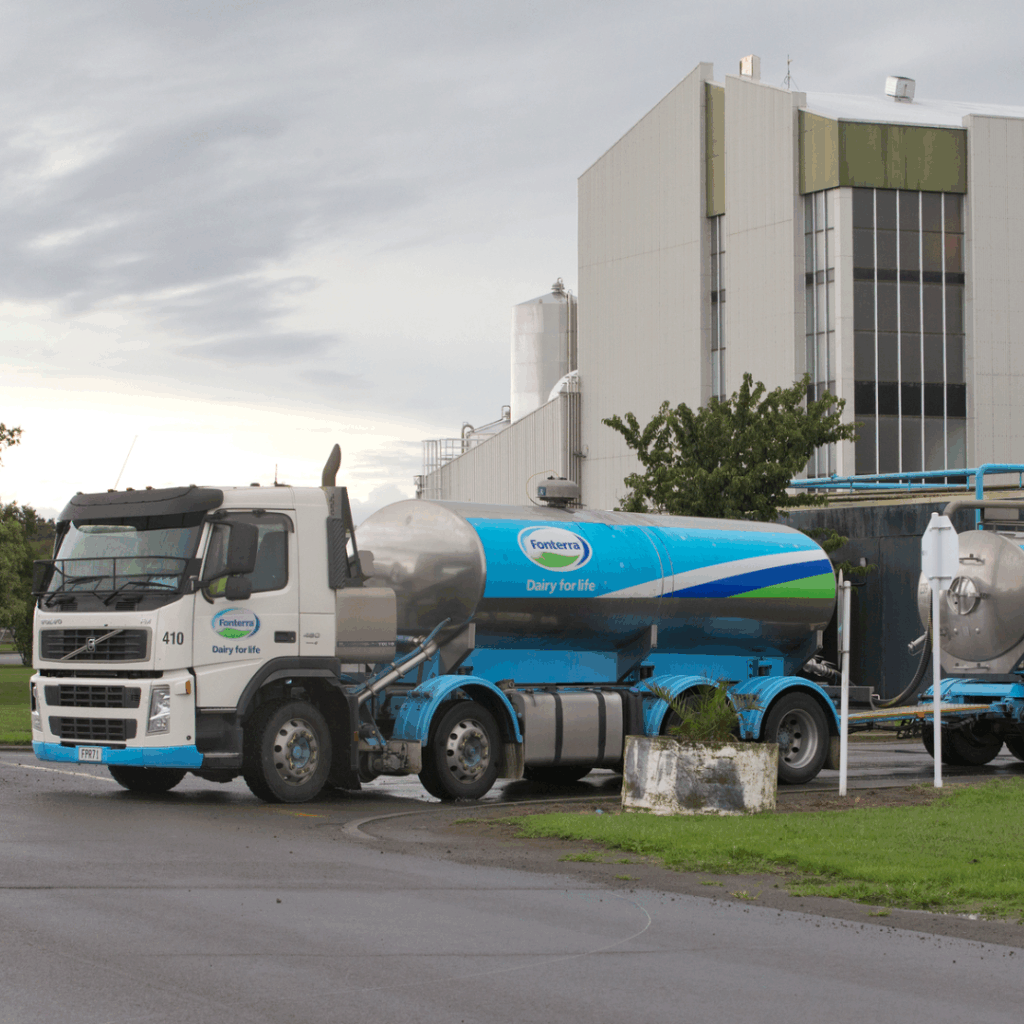
Fonterra’s Big Sale: How it could impact your farm plans After further communications with Fonterra, we have updated our recently released article on 24/10/2025 to clarify the position with the proposed capital payments. Fonterra has recently announced the proposed sale of their consumer brands businesses to Lactalis, a French owned multinational dairy company.  The divestment strategy of Fonterra’s consumer brands businesses was confirmed in May 2024 with the reason to focus on ingredients and foodservice businesses.  The sale includes Fonterra’s global consumer business (excluding Greater China), as well as foodservice and ingredients businesses in Oceania, Sri Lanka, Africa and the Middle East. The brands involved in this deal include Mainland, Kapiti, and Anchor among others.  The proposed sale is to be voted on by Fonterra farmer shareholders.  Voting is currently underway and closes at 10.30am on 30 October 2025. The sale price is estimated to be in the value of $4.2 billion New Zealand dollars, of which a capital return payment is anticipated to be paid to Fonterra shareholders once the sale is complete. As part of the sale, Fonterra is obligated, in the long-term, to continue the supply of milk and ingredients for these consumer brands.  In terms of milk supply quantities, nothing will change for Fonterra farmers as a result of this proposed sale. Capital return payment to Fonterra shareholders Provided the sale is approved by regulatory authorities and Fonterra shareholders, the timing of the capital return payment of $2 per share to farmers is anticipated to be mid-2026.  Following a successfully completed sale to Lactalis and once sale proceeds are received, a capital return payment to farmer shareholders is anticipated by Fonterra.  A capital return payment is required to be voted on by farmer shareholders in the form of a Special Meeting, a process previously followed for sale of Soprole in 2023. The method to facilitate the capital return has not been confirmed by Fonterra and will be communicated in the future to farmer shareholders. (updated 24/10/25) A capital return is a way for a company to distribute funds to shareholders by returning part of their original investment (share value).  This differs from paying out profits as dividend income, which is usually taxable. Regulatory Steps Required From Now Fonterra has provided a press release detailing the proposed sale on their website and farmer shareholders have received a Notice of Special Meeting. Fonterra farmer shareholders will vote to either approve or not support the proposed sale.  Voting is open now and the special meeting is to be held on 30 October 2025.  Voting offers farmer shareholders an opportunity to have their say the proposed sale of consumer brands to Lactalis. (updated 24/10/25) Regulatory authorities from both New Zealand and internationally must also approve the sale.  These approvals are required for compliance of competition laws and to ensure the sale agreement meets laws and regulations of all stakeholder countries. Planning ahead – on farm and off farm It is a busy time on farm with calving  virtually finished for most farmers and milk production in full swing. Although no immediate action is required by farmers in relation to the proposed sale, we recommend that you consider what the capital return payment could mean for you and how it could be best utilised. Here are some options to consider. 1. Pay off debt or restructure debt The capital return could be used to pay short term debt such as an overdraft or debt with high interest rates such as equipment or hire purchase loans.  Using the additional funds to assist with the daily running costs of the farm improves working capital by contributing to paying bills and potentially paying less interest. An improved balance sheet with less debt could facilitate an interest rate review with your lender, which may help improve profitability and reduce interest costs.  In recent years interest rate increases have motivated many farmers to reduce their debt levels in an attempt to keep interest costs lower and/or more under their control.  Our team can assist you to provide financial information when your bank is undertaking an interest rate review or restructuring your lending. As well as debt repayment, we have found income tax payable for the 2024-2025 season has increased for many farmers.  It is prudent to understand your tax position including likely tax obligations for the current season.  Where there are tax arrears from prior years or a shortfall of tax paid for the 2025 financial year then a capital  payment could assist to improve the overall tax position. 2. Invest back in the farm Addressing deferred repairs and maintenance or upgrading cowsheds, effluent systems or farm cottages are some examples of using the capital return to invest in maintaining and improving your farm.  Rural support businesses are likely to benefit also from the increase in spending on farms to repair, improve, upgrade or replace assets.  Creating a capital expenditure plan or wish list can help you evaluate which areas are most urgent and which areas will help improve farm efficiency, with the goal to increase future profitability.  Modern farming technologies such as wearables and pasture drones have anecdotally proven to improve productivity, reduce waste and save money and time.  Perhaps now is the time to further investigate some technology options that would best help meet your farm goals. Not everything can be done at once and some projects need the right season to implement and undertake.  When preparing your upcoming season’s cashflow forecast including these expenditure items, as well as the capital return, will help you plan the timing of cash inflows and outflows. 3. Expansion and new opportunities Along with the additional funds, it may be the right time for some farmers to consider new opportunities such as: Purchasing another farm or upsizing the existing farm Increasing and improving herd numbers – either by breeding and holding more replacements or purchasing livestock Purchase a finishing or run off block to complement your existing farm operation Starting a joint venture with an existing sharemilker

Fonterra’s Big Sale: How it could impact your farm plans Read More »

Mastering Cashflow: A Guide to Business Financial Health

mastering cashflow: a practical guide to business financial health Mastering Cashflow Mastering cash flow is the key to business success. The first step is to truly understand how money moves in and out of your business. There are the top 3 areas to focus on. Cash lockup Stock turn Gross profit Cash Lockup One of the primary causes of poor cash flow is cash lockup, which occurs due to delayed billing or payments. When businesses do not bill their clients promptly or face delays in receiving payments, their cash flow is not flowing. It is essentially in somebody else’s bank account. It is your job to be proactive and get it into your bank account as soon as possible. Tips for Small Businesses: Invoice customers sooner and consider progress billing for long-term projects. Have clear terms of trade and payment deadlines. Make it easy for customers to pay online or with specific methods. Real Life Example: A small construction company implemented progress billing for their long-term projects. By invoicing clients at various stages of the project, they were able to maintain a steady cash flow and reduce the time spent waiting for payments. Stock Turn Slow moving inventory can hurt cash flow because money is tied up in unsold stock. Businesses can find ways to turn stock into cash faster, like offering discounts on slow-moving items, improving inventory management, and forecasting demand better to avoid overstocking. Tips for Small Businesses: Develop a stocking strategy, including safety stock, desired stock levels, and re-order points. Use software to measure stock levels in real time. Implement clear policies to avoid slow moving stock items. Real Life Example: A small retail store used inventory management software to track their stock levels in real time. By identifying slow moving items, they were able to offer discounts and promotions to clear out old inventory and free up cash. Gross Profit Insufficient profit to cover costs can lead to cash flow problems. Increasing gross profit margins can significantly improve cash flow. Businesses can achieve this by increasing prices, reducing the cost of goods sold, or improving operational efficiency to lower overall expenses. Tips for Small Businesses: Reduce stock shrinkage and avoid discounting. Minimise obsolete stock for retailers. Focus on rework, wastage, and ensuring all work and materials are billed for contractors. Real Life Example: A small cafe reduced food waste by implementing better inventory management practices and training staff on portion control. This change increased their gross profit margins and improved their cash flow.   Amy WatsonPartner  p: 07 889 7153m: 027 715 2728e: amyc@cooperaitken.co.nz

Mastering Cashflow: A Guide to Business Financial Health Read More »

Practical Succession Planning for Farming Families

practical succession planning for farming families. Succession planning is becoming a topic that is often talked about but can be daunting to action. We understand for many families it can be emotionally complex, however there are many ways we can help support you through a succession plan. This article explores the many forms succession can take, the foundational steps to begin the process, and the tools and insights available to support farming families through this transition. Succession Comes in Many Forms Succession is not a one-size-fits-all process. It should be tailored to suit the goals, assets, and dynamics of each family. Some common pathways can include: Selling the farm and investing the proceeds for current and future generations. The investment of the proceeds can be a mix of investments, examples of these may include managed funds, shares, bonds, cash deposits, property ownership, loans to children etc. Parents allowing farm assets to be used under a limited guarantees arrangement to help children purchase their own properties. Selling shares in a farm-owning company and/or trading company to children or successors. Leasing the family farm to children, by allowing them to own the trading assets and operate the business while parents retain ownership. Children purchasing the herd and becoming 50/50 sharemilkers, building equity and operational experience. Selling land titles to children, who then lease them back to the farm trading company – providing cash flow for parents and ownership for children. Using existing equity to buy farms or assets with children in a company to share in returns, under an equity partnership model. Maximising land value with creation of titles to sell to invest, pay off debt or retain to provide options for the family at a future date. Diversification by allowing or leasing children land to run businesses on the family land such as tourism, venue hire, storage, commercial buildings or endeavours There is a range of different entity types that can be the right fit for purpose such as Trusts, Companies, Limited Partnership, Partnerships. Each of the above examples needs careful planning, implementation and monitoring. There are fishhooks with every option that can be managed if good advice is obtained and implemented.   It is very important that your team of advisors including your accountant, solicitor and bankers are included in all steps of the process to ensure success. Important First Steps Before any succession plan is developed, it is essential to understand the successors’ perspective, typically this is the parents being aligned with what they want. Your professional advisors should be involved in this first step. Key questions could include: What are the successors’ assets and liabilities? Having a clear picture of asset values, net worth, liabilities, and equity is vital. Also understating who is the owner of all assets and liabilities. What income do the current business and assets produce, this is both now and in the future? What are the successors’ life goals? Whether it’s travel, financial security, or lifestyle changes, these goals shape the financial needs of retirement. How much income is needed to fulfil those goals? This helps define what portion of the business or assets must be retained or sold. How much control do the successors wish to retain? Some may want to stay involved in decision-making or retain ownership of key assets. Once the successors are aligned the next steps could be to communicate with the key stakeholders i.e. children or current sharemilkers etc. This involves communicating what the successors wishes are and also understanding what the key stakeholder’s perspectives are. SMASH – Paths to Farm Ownership SMASH, or Smaller Milk and Supply Herds, is a NZ based initiative that supports small to medium-sized dairy farmers by providing practical education, networking opportunities, and succession planning resources. SMASH completed a recent report that aimed to identify how farmers have successfully bought farms in recent years, the characteristics of these farm owners, and the challenges to farm ownership. This report may provide useful insights to start the process of succession and understanding the current environment for farm ownership process. See copy of report here. In conjunction with SMASH we have presented at a number of succession events over the last few months. There is a free event planned for September that you are welcome to attend, information can be found here. Please contact the partners at CooperAitken to discuss your succession queries and plans. We look forward to helping you achieve your goals.  Anna BennettPartner  p: 07 888 8002m: 021 030 0508e: anna@cooperaitken.co.nz

Practical Succession Planning for Farming Families Read More »

The Quiet Strength of Planning Ahead – The Role of Wills and Enduring Powers of Attorney

the quiet strength of planning ahead – the role of wills and enduring powers of attorney Wills and Enduring Powers of Attorney (EPAs) are often something we plan to tackle “someday.” Whether we feel too young, too healthy, or simply too uncomfortable to think about it now, that someday can easily become never. But these are among the most important documents you’ll ever sign—not just for yourself, but for your loved ones who may have to manage your affairs or care for you when you cannot. Wills A Will outlines your wishes after you pass, including who inherits your assets and who manages your estate. This person/s—your executor/s—are legally responsible for ensuring your instructions are followed. If a person dies without a Will or their named Executor is unable or unwilling to act, and their Estate value is over $15,000, then it may be appropriate to apply for Letters of Administration under the Administration Act 1969. Your next of kin or a trustee corporation would need to apply to the High Court to be appointed as the Administrator, and if granted, they will manage your Estate affairs. This can mean costly and stressful legal proceedings for grieving loved ones. Items to consider for your will: Who will look after my children or pets when I pass? Who will I leave my assets to when I pass? Do I want to leave any money to a charity/trust? Do I want to setup a Trust when I pass or gift money or property to an existing Trust (usually a family Trust) The above is not an exhaustive list of items to consider, there may be many more, depending on your personal circumstances. Enduring Powers of Attorney An enduring power of attorney (EPA) is a legal document giving someone the power to act for you. There are two types of EPA: Property Personal Care and Welfare It is a good idea for everyone, no matter your age, to have Enduring Powers of Attorney in place and up to date. These documents need to be done whilst you are mentally capable and soit makes sense to do it as soon as possible. People tend to think only the elderly are likely to need someone to manage their affairs, but anyone can become mentally incapable at any age, an accident or illness may prompt the need for an EPA. Property More than one “attorney” can be appointed as your Property Attorney Without an EPA difficulty can arise in dealing with your property or financial affairs. It may be necessary for your next of kin or a family member to seek a Court Order to act on your behalf. Your “attorney” could have powers to, for example, manage your bank account, pay your bills, buy or sell property on your behalf. It can be a trustee company. Personal Care and Welfare Only one person at a time can be appointed as “attorney” for your Personal Care and Welfare It cannot be a trustee company. For both Property and Personal Care and Welfare EPA’s,  successor attorney’s can be appointed to act if the first appointed attorney/s cannot act. Items to consider for your EPA: Who do I trust to manage my personal finances? Who do I want to appoint as my successor attorney? Who do I trust to make decisions in relation to my personal wellbeing? Who has knowledge of my affairs in order to make appropriate decisions? Who knows my wishes in respect of my property and my personal are and welfare? Choosing an “attorney” needs to be carefully considered. It should be someone you trust and while you can appoint different people to be attorneys for the two different areas,it is important to  ensure they are people that can work together. In summary, a Will and EPA’s are very important documents. We recommend establishing them if you haven’t, or review them to ensure they still reflect your wishes.  You’ll not only protect your future but lighten the load for those you love. Reach out to our team if you need any support if this area. Gerrie JacobsPartner  p: 07 889 7153m: 021 284 6444e: gerrie@cooperaitken.co.nz

The Quiet Strength of Planning Ahead – The Role of Wills and Enduring Powers of Attorney Read More »

Business Health Check: Why it matters in IT field

Business Health check: why it matters in the it field In today’s digital age, the way we work and the threats we face have changed dramatically. Cybersecurity incidents, privacy breaches, and data misuse are no longer rare. Businesses both in New Zealand and globally are increasingly targeted by cybercriminals aiming to steal personal information, lock systems for ransom, or exploit internal vulnerabilities. Ironically, many of these attacks are no longer driven by individuals, but by AI-generated threats. Is Your Employment Documentation Keeping Up?  Just like reviewing your will or updating your insurance, keeping your employment contracts and staff handbooks current is vital to maintaining a healthy business. Outdated employment documentation can leave your business exposed. Recently, we’ve seen several businesses come across outdated employment documents – some over a decade old. While they may have served their purpose at the time, the modern workplace has evolved significantly and so have the risks. Consider the rise of social media, mobile work environments, and remote access – have your policies kept pace? Here are some key areas to review: 1. Use of Work Devices Does your employment contract clearly outline expectations around the use of work-issued devices like laptops and mobile phones? This includes: Acceptable use policies Restrictions on personal use Security protocols (e.g., password protection, encryption) Ownership of data, devices and contact information. 2. Data Protection & Client Confidentiality Your staff handbook should include clear guidance on: Handling sensitive client data Internal data safety protocols Reporting suspected breaches or suspicious activity Use of data offsite and client contact out of business hours. 3. Handling a data/privacy breach Having clear, documented processes can reduce response time and limit damage. Employees should know what to do in the event of: A malware or phishing attack A suspected breach of client privacy Accidental data exposure of firm and client data to an outside party 4. Staff Training & Awareness Regular training is essential. Ensure your team is up to date on: Cybersecurity best practices Recognising phishing attempts Secure communication methods It is also important to check these organisational procedures are followed. 5. Data Retention & Exit Procedures When staff leave, do you have a process to: Wipe company data from personal or work devices Revoke access to internal systems Ensure no sensitive information is retained improperly Manage password and access control 6. Data Accuracy & Communication Protocols Mistakes happen – do you have a plan on how to manage any potential mistake.  Review your procedures for: Verifying recipient details before sending data Using secure file-sharing methods Logging and auditing data transfers What You Can Do If it’s been a while since you reviewed your client and data security processes – or if you haven’t started like many SMEs – now is the time.  Consider: Conducting a system and documentation audit Updating contracts and handbooks to reflect current risks Exploring cyber insurance options Implementing regular staff training sessions Final Thoughts You’ve likely heard of data or privacy breaches – locally or internationally.  Staying proactive is your best defence. In the information age, managing your digital and employment infrastructure is not just good practice, it’s essential. If you’d like to learn more, we can connect you with specialists who can help assess and strengthen your business’s digital resilience.   Deborah HollandsPartner + CEO p: 07 889 7153e: deborah@cooperaitken.co.nz

Business Health Check: Why it matters in IT field Read More »

Fonterra’s new milk price risk management tools

fonterra’s new milk price risk management tools Fonterra has introduced a new suite of milk price risk management tools designed to help farmers gain greater certainty over their income and better manage price volatility. These tools allow farmers to lock in a minimum milk price up to 18 months in advance, providing a valuable planning resource in an increasingly unpredictable market. From 9 June, the new services will be introduced and will complement the current Fixed Milk Price programme. The services give the ability to lock in a Fixed Milk Price for an additional season as well as the ability to lock in a minimum Milk Price – or a minimum and maximum Milk Price –- for the current season. Fixed Milk Price – Additional season This will enable farmers to secure a fixed price for a portion of their milk for two seasons, providing great price certainty over a longer period: The offer: Service fee is 13 cents per kgMS Volume up to a maximum of 30% in the following season Price based on SGX-NZX milk futures Service fee deductions come out in January/February – 5 cents out each month Minimum Milk Price This will enable farmers to secure a minimum price (or ‘floor’) for a portion of their milk. It’s designed to protect farmers from any decrease below the set minimum while ensuring they benefit from any increases to the forecast Farmgate Milk Price. The offer: Service fee is 10 cents per kgMS Premium variable at each event Volume up to 50% Price generally at least 50 cents lower than the FMP offer Service fee and premium deductions come out in January/February. Milk Price Range The Milk Price Range offer will enable farmers to secure both a minimum price (floor) and maximum price (or ‘cap’) for a portion of their milk, helping to stabilise income within a range that farmers are comfortable with. The offer: Service fee is 10 cents per kgMS Volume up to 50% Price as per the minimum Milk price, the floor will generally be at least 50 cents lower that the FMP offer. Service fee deductions come out in January/February – 5 cents out each month The initiative reflects Fonterra’s commitment to supporting farmers with practical, transparent tools that help manage financial risk. For more information, visit the Farm Source website or speak to one of our team.

Fonterra’s new milk price risk management tools Read More »

Inland Revenue are asking more questions

Inland revenue are asking more questions Activity by Inland Revenue is picking up pace across the board—from investigations of large corporations to risk reviews of property investors and small business owners.   Why are we seeing this?  Firstly, in the NZ Budget 2024, $116million was specifically allocated over 4 years to enhance debt collection and tax compliance efforts, and ever since visible action has been ramping up in both areas.  In recent times there has been a review of over 30,000 tax returns alone, leading to $859 million in additional tax revenue through audits and voluntary disclosures. Secondly Inland Revenue are using real-time data analytics and improved access to third-party information, as tools for bigger picture information gathering. Reviews and audits are then most often triggered when returns have been flagged as being outside the parameters considered ‘normal’ within the industry. For example, the tools have recently been used to review : Property transactions: by leveraging data from Land Information New Zealand to monitor compliance with the bright-line test and identify undeclared rental income. Cash-based businesses : by reviewing data collected in sectors like construction, trades, liquor/vape retail and hospitality. Retail and Service Sector : by analysing Eftpos data to identify possible use of Electronic Sales Suppression tools that can manipulate sales data to underreport income. No industry is exempt from analysis, it’s a matter of when.  Now more than ever, it’s important to: Keep accurate and up-to-date financial records Disclose to us in full all property transactions, and financial investments such as crypto Work closely with us to identify any areas of potential concern Consider if taking up Audit Shield is right for you An investigation can be called for a range of returns from Income Tax, GST to PAYE.  During an investigation of any nature our team will take prompt action, send relevant supporting documentation and respond with technical accuracy.  Audit Shield is an insurance-backed solution to provide freedom of mind that if Inland Revenue comes calling during the policy period, the professional accountancy costs incurred (up to a prescribed amount) will be covered.  The message being sent to taxpayers is clear: tax compliance is a priority.  Analysis of data and information sharing with third-parties will only ever tell a portion of the full story, so the increasing number of risk reviews and audits for taxpayers are our new reality.  However the team here at CooperAitken are the qualified experts to advocate for your tax position.  Contact our office if you would like more information on Audit Shield.   Rachel RobbPartner + Chartered Accountant p: 07 868 9945e: rachel@cooperaitken.co.nz

Inland Revenue are asking more questions Read More »

Scroll to Top