News Articles

Xero Subscription Price Increases from 1 October 2026

XERO SUBSCRIPTION PRICE INCREASES FROM 1 OCTOBER 2026 Xero has announced that it will be increasing subscription prices for New Zealand customers from 1 October 2026. To help you stay ahead of upcoming business costs, we wanted to give you notice of these changes before they take effect. Xero has advised that the following monthly subscription prices will apply from 1 October 2026; While cost increases are never ideal, Xero continues to invest in new features and functionality designed to help businesses save time, improve efficiency and gain better visibility over their financial performance. There is no action required on your part, as the new pricing will be applied automatically from 1 October 2026. For clients whose Xero subscription is managed by CooperAitken, these costs are now billed separately from our accounting and advisory services due to our software change earlier in the year (see previous comms here). As a result, the updated Xero pricing will start to be reflected in invoices issued from November. If you’re unsure whether you’re on the most suitable Xero plan, or you’d like to explore ways to get more value from your subscription, we’d be happy to help. A quick review of your setup can often uncover features and tools that make day-to-day administration easier and provide better business insights. Get in touch with our payroll team P: 07 889 7153E: wages@cooperaitken.co.nz

Xero Subscription Price Increases from 1 October 2026 Read More »

Is your why still showing up in your business?

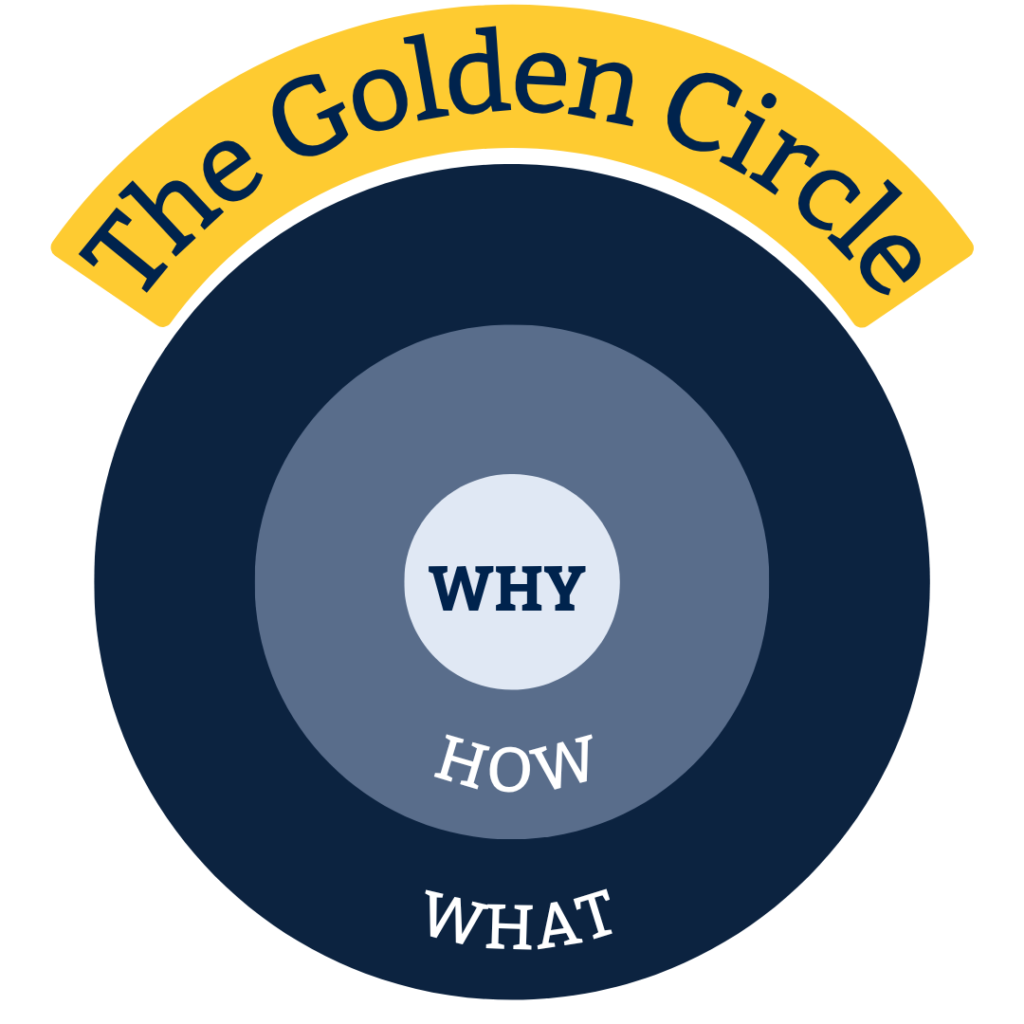
is your why still showing up in your business? Most businesses don’t start by accident. They begin with a reason. A problem to solve. A passion to pursue. A lifestyle to create. A legacy to build. Over time, however, businesses grow. Teams expand. New opportunities emerge. Processes evolve. Before long, it’s easy to find yourself focused on what needs to be done today rather than why you started in the first place. That’s why Simon Sinek’s Golden Circle continues to resonate with so many business leaders.Not because it helps you discover your purpose.But because it helps you stay connected to it. The Golden Circle The framework is simple: Why Why does your business exist?How How do you deliver on that purpose?What What products, services or solutions do you provide? While most businesses can clearly explain what they do, the real value of the Golden Circle is that it encourages us to routinely check whether our daily actions still align with our original purpose. Because purpose isn’t just something you define once and file away. It’s a filter for decision-making. The Question Isn’t “Do You Have a Why?” The more interesting question might be: Is your why still visible in the way your business operates today?Can your team see it? Can your clients feel it? Does it influence the decisions you make?When faced with competing priorities, challenging market conditions, or opportunities for growth, does your purpose help guide the path forward? The businesses that remain relevant over the long term often have a remarkable consistency about them. Their products may change.Their technology may evolve. Their services may expand. But the reason they exist remains remarkably clear. Bringing Purpose to Life At CooperAitken, we’ve spent time reflecting on our own Golden Circle. Our purpose isn’t accounting.It’s not tax returns. It’s not financial statements. Those are things we do. Our why is:Creating freedom in your business.Freedom looks different for every client. For some, it’s confidence in their numbers. For others, it’s having someone to help navigate uncertainty. For others, it’s creating more time, more opportunity, or a clearer path forward. Our how is through trusted relationships and practical expertise And our what is the accounting, advisory, tax and specialist services we provide every day. The services themselves matter. But their true value comes from how they help deliver on our purpose. A Useful Reflection Regardless of the industry you’re in, it’s worth occasionally stepping back and asking: Has our purpose changed, or simply evolved? Are our daily actions aligned with that purpose? Do our clients experience the reason we say we exist? If someone asked our team why we do what we do, would they all give a similar answer? Not because there’s a right or wrong answer But because clarity creates alignment. And alignment helps businesses make better decisions. The Real Value of Knowing Your Why The Golden Circle isn’t just a branding exercise. It’s a reminder that purpose should be more than a statement on a website. It should influence how you lead, how you serve clients, how you make decisions, and how you define success. Because while the what may change over time, the strongest businesses never lose sight of why they exist in the first place. Turning Your Why Into a Plan Knowing your why is important But knowing it and actively using it to guide your business are two very different things. This is where a business plan can become one of the most valuable tools a business owner has. A good business plan is more than a budget or a set of financial projections. It’s an opportunity to step back from the day-to-day, revisit your purpose, and ensure your goals, priorities and actions are aligned with where you want your business to go. When your purpose is clear, decisions become easier. Opportunities can be assessed against your long-term vision. Investments become more intentional. Your team gains clarity around what matters most and why. At CooperAitken, we work with business owners to develop practical business plans that do more than sit on a shelf. We help businesses define where they’re heading, identify the actions required to get there, and create accountability along the way. Whether you’re planning for growth, navigating change, preparing for succession, or simply wanting greater clarity and direction, a business plan can help ensure your why continues to show up in the choices you make every day. Because purpose provides the direction.A plan helps you get there. If you’d like to explore how a business plan could help bring greater clarity, alignment and focus to your business, our team is here to help.

Is your why still showing up in your business? Read More »

Overseas Beneficiaries: Equal on Paper, Different in Reality

overseas beneficiaries: equal on paper, different in reality. Many New Zealand families have children or grandchildren living overseas, particularly in Australia. What is often overlooked is that a beneficiary’s country of residence can have a significant impact on the tax consequences of trust distributions and inheritances. Issues can arise when a trust is being wound up following the death of a parent or surviving settlor. Trustees are then tasked with distributing trust assets in accordance with the trust deed. On the surface, the process may appear straightforward. However, where beneficiaries live in different countries, the outcome can be quite different from what was intended. Imagine Mum and Dad’s family trust holds $1 million of assets and, following their passing, the trustees intend to divide those assets equally between their two children. One child lives in New Zealand, while the other has been living in Australia for several years. On paper, each child may receive $500,000. However, the after-tax outcome may not necessarily be the same. While there are currently no New Zealand tax consequences, overseas tax rules can produce a very different outcome. In Australia, for example, a beneficiary who receives funds from a New Zealand trust may face tax obligations that would not arise if they were living in New Zealand. In some cases, the tax cost for an overseas beneficiary can be significant i.e. 45%. As a result, an inheritance that appears to be divided equally between beneficiaries may produce very different outcomes once overseas tax rules are taken into account. Importantly, it is not just direct trust distributions that should be considered. Loans, forgiven debts and other arrangements can also create unintended tax consequences overseas. That is why it is important to obtain specialist advice before implementing an estate plan or making significant distributions. The reality is that many trusts were established years ago when all family members lived in New Zealand. Today, it is increasingly common for children and grandchildren to live permanently overseas. A trust that has operated without issue for decades can suddenly have cross-border tax considerations when the time comes to distribute assets. That is why estate planning should involve more than simply deciding who receives what. It is equally important to understand what each beneficiary is likely to receive after tax and whether that outcome aligns with your intentions. At CooperAitken, we regularly work alongside our clients’ solicitors and other professional advisers to review trust structures, wills, estate plans and succession arrangements. Bringing advisers together around the table early can help identify potential issues, consider available options, and ensure decisions are made with a clear understanding of the likely outcomes. After all, good estate planning is not just about dividing assets equally. It is about making sure the people you wish to benefit receive the outcome you intended. Is It Time for a Trust and Estate Planning Review? If you have a family trust and one or more beneficiaries live overseas, now may be the perfect time to review your arrangements. A proactive review before distributions are made can help avoid surprises and provide peace of mind that your plans will work as intended. Speak with the CooperAitken team about your trust and estate planning arrangements. Together with your solicitor and other professional advisers, we can help you understand the likely outcomes for your beneficiaries and ensure your family’s wealth is passed on as intended. Carissa CressyPartner + Chartered Accountant P: 07 888 8002M: 021 448 240E: carissa@cooperaitken.co.nz More about Carissa

Overseas Beneficiaries: Equal on Paper, Different in Reality Read More »

Farewell, Janet Pitkethley

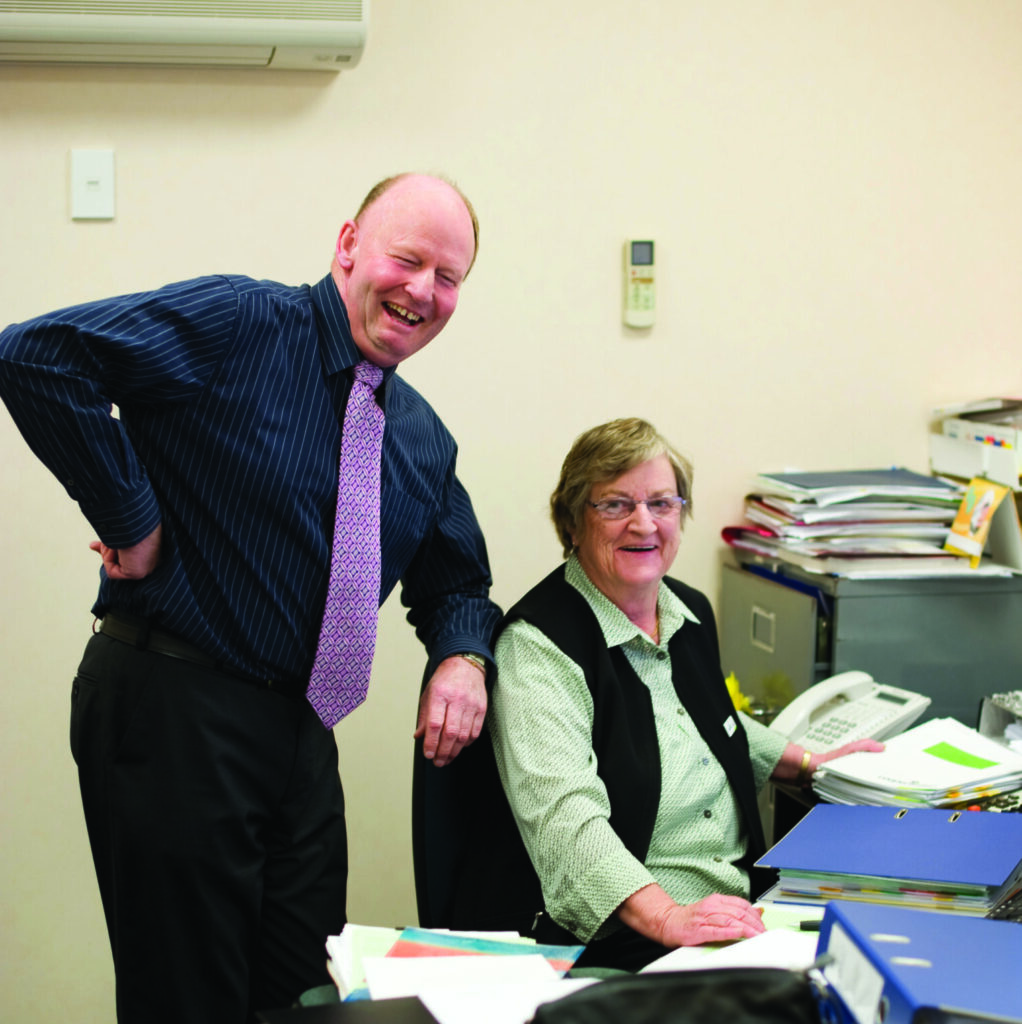
farewell, janet pitkethley After 63 years with CooperAitken, Janet Pithekley has retired. Janet began her career with the firm at just 16 years old, starting work for Bob Aitken (Rodney Aitken’s father) in 1964. As a junior, her responsibilities included making coffees and morning tea, collecting the mail, and helping with general office duties. Looking back, Janet says that “accounting was very different” in those days. Accountants prepared tax returns and accounts for clients who were generally much smaller operations than they are today. Clients would often drop off their paperwork once a year, sometimes arriving with their entire office desk drawer and literally tipping it onto the reception counter. Everything was done manually, with no computers or spreadsheets. Information was recorded from cheque books, figures were transferred by hand onto working papers and balance sheets, and debits and credits were added up and balanced manually.  Rodney Aitken and Janet Pitkethley in 2011. Finished returns were then hand-delivered to Inland Revenue before the doors closed for the day. Since Janets start in 1964, the profession has undergone enormous change. From the introduction of decimal currency and GST to changes in livestock valuation and countless tax legislation reforms, Janet has witnessed it all and, remarkably, adapted throughout every stage of the profession’s evolution. Over her 63 years with the firm, Janet became a leader, mentor, and, for many, a second mother. She has been part of several significant chapters in the firm’s history. Janet started with Bob Aitken before Rodney Aitken joined as a partner in 1981. Following Bob’s retirement, Imran Raza became a partner, and the firm became RM Aitken & Associates. In 2000, Rodney, Imran, Janet, and 5 team members, joined with Bannin Cooper (Trevor Cooper) & Partners to form Cooper Aitken & Partners. The merger saw the team move into the Morrinsville building the firm still occupies today and marked the beginning of significant growth, eventually expanding to more than 70 staff. Janet has played a role in many of the firm’s major milestones and, throughout it all, was Rodney’s trusted right-hand person. (or as Rodney says, my right AND left hand person!) “Janet’s hard work has always spoken for itself,” says Rodney, who describes her as “quiet, unassuming, humble, competent, and professional. A mother not just to her family, but to everybody in the firm.” One of Janet’s greatest joys was watching team members join the firm and progress throughout their careers, with many moving into senior and leadership positions, and some becoming Partners. Often working behind the scenes, she provided encouragement, support, and guidance, taking great pride in seeing others succeed. Janet is incredibly grateful for her career and her time at CooperAitken. Her advice to others is to always be thankful for where you started and for the people who gave you an opportunity. Over the course of her career at CooperAitken, Janet became an Associate Chartered Accountant, with a particular passion for the rural sector and extensive expertise in bloodstock accounting. She was a trusted advisor and familiar voice to many clients, building relationships that often spanned multiple generations of the same family. These enduring connections are among the parts of her career she has valued most. Janet describes her career as “an amazing journey through enormous change.” So, what kept Janet at CooperAitken for 63 years? A strong sense of loyalty, a supportive team, a genuine love for the work, and the fulfilment she gained from helping clients. The team farewelled Janet at a celebratory lunch a few weeks ago, and she is now looking forward to quieter days spent with her dog, Pedro. We wish Janet all the very best for the years ahead. She will be missed by many. We thank her for her many decades of hard work, dedication, and the incredible contribution she has made to our firm, our team, and our clients.

Farewell, Janet Pitkethley Read More »

Gavin Haddon’s Next Chapter: Farewell after 38 years with CooperAitken

we farewell gavin after 38 years with cooperaitken After an incredible 38 years with CooperAitken, Partner Gavin Haddon concluded his time with the firm on 31 March 2026. Gavin’s dedication, leadership, and unwavering commitment to our clients and our people have left a lasting legacy. We would like to take this opportunity to acknowledge Gavin’s outstanding contribution and thank him for the significant impact he has made over many years. Over the past year, Gavin has taken great care in transitioning his client relationships to existing partners from within the practice who are well placed to support each client’s needs. As a relationship‑driven firm, this handover has been a key priority, ensuring continuity, strong connections, and the same trusted level of advice going forward. CooperAitken continues to be led by Partners Deborah Hollands, Grant Eddy, Anna Bennett, Peter Hexter, Rory Noorland, Carissa Cressy, Amy Watson (Coombes), Gerrie Jacobs, Coral Philips, Megan Potter, Rachel Robb, and newly appointed Partner Louise Maxwell Granich. The existing partners look forward to building strong, trusted relationships through working closely with the new clients and supporting them on their business journey towards time, mind and financial freedom. Gavin joined CooperAitken on 22 November 1988, beginning his career as an Accountant before progressing to Partner nine years later following Gary Caves’ departure. Over nearly four decades, Gavin both witnessed and drove significant change within the firm, playing a pivotal role in shaping CooperAitken into the business it is today. During his time as a partner, including his role as Board Chair from 2005 to 2015, he became a highly respected mentor, with around half of the current partners having either worked in his team or been guided by him into partner roles. Gavin has a genuine passion for seeing others succeed – he measures his own success by theirs, and this is a quality that will be deeply missed within the firm. His warmth, professionalism, and energy made a real difference to both his clients and team. Reflecting on his time at CooperAitken, Gavin shared how proud he is of both the team and his years as a Partner. He spoke warmly of the growth and development of many team members, each building remarkable careers, and of the way the firm continued to adapt to new challenges and opportunities with resilience and progress. Throughout his career, Gavin valued the trust placed in him by clients and the strong relationships built along the way – relationships he noted would continue beyond his time with the firm. While we are really sad to see Gavin go, we are equally excited for what lies ahead for him. Retirement will see Gavin spending more time with his family, supporting his wife and her business ventures, and enjoying more time on the water and seeing the world. If you have any questions regarding your ongoing support or would like to connect with your current Partner or Advisor, the CooperAitken team is always happy to assist. Our support and commitment to our clients with remain as it always has.

Gavin Haddon’s Next Chapter: Farewell after 38 years with CooperAitken Read More »

Introducing our new Partner: Louise Maxwell-Granich

introducing our new partner: louise maxwell-granich We’re excited to share that from 1 April 2026, Louise Maxwell-Granich has been appointed a Partner at CooperAitken. Louise has been a valued member of our team for the past eight years and has been Client Manager to Anna Bennett since 2021. Over this time, she has built strong, trusted relationships with clients across the agri-business and commercial sectors, and has become known for her practical, commercially focused advice and clear, approachable communication style. Louise has extensive experience advising farming and agri‑based businesses, alongside a wide range of commercial entities. Her expertise spans business and tax planning, entity and ownership structures, succession and long‑term planning, IFRS reporting and compliance, and trusts and company structures – allowing her to provide practical, well‑rounded advice that supports clients through growth, change, and investment decisions. Throughout her career at CooperAitken, Louise has worked closely with clients to help them navigate complexity with confidence, ensuring tax efficiency, compliance, and commercial realities are always carefully balanced. Commenting on her appointment, Louise said: “I’m excited to be stepping into the role of Partner at CooperAitken. I’ve always valued working alongside clients, helping them navigate challenges, plan for the future, and build strong, sustainable businesses. I’m looking forward to continuing to support our clients and contributing to the ongoing growth and success of CooperAitken.” Louise will continue working closely with her existing clients in her new role. Her appointment recognises her outstanding contribution to the firm and reflects our ongoing commitment to strong leadership and continuity for the benefit of our clients. Outside of work, Louise enjoys gardening and baking (often sharing the results with the office), keeping active through netball and the gym, and spending time with family, friends, and her very cute dog. She also has a keen interest in travel and history. We are incredibly proud of Louise and excited to see her step into her partner role. Her appointment is a significant milestone for both Louise and CooperAitken, and we greatly look forward to the leadership, insight, and continued value she will bring to our clients and our firm. If you’d like to discuss how our team can support you, feel free to reach out to Louise or your usual CooperAitken advisor.

Introducing our new Partner: Louise Maxwell-Granich Read More »

A Once-in-a-Generation Opportunity

a once in a generation opportunity: making the most of the fonterra capital payment Over the coming weeks, many dairy farmers will be making decisions that could have a significant impact on how much of the upcoming Fonterra capital payment they ultimately get to keep. While the payment itself is good news, the real value lies in how it is planned for and used. The capital payment from Fonterra is a return of capital, not income therefore not taxable upon receipt. In simple terms, the money comes in tax‑free. However, this is where many people stop thinking—and where costly mistakes can be made. When you later try to extract that money for personal use, tax can be triggered depending on your structure and the method of extraction. Handled poorly, a large portion of the payment can be lost to unnecessary tax. Handled well, the same dollars can be used to strengthen your business and personal position with very different tax outcomes. The key message is simple: don’t rush to pull the money out without a plan.  Get in touch with your CooperAitken advisor to understand your structure and implications of your plans. First Question: What Is Your Current Structure? Before making any decisions, it’s critical to understand how your farming business is structured. The same payment can have very different outcomes depending on whether you operate as a partnership, company, or trust. Understanding your structure is step one. Step two is running the numbers. Same Money, Very Different Outcomes As an illustration: A partnership receiving $200,000 can generally access the full $200,000 personally with no additional tax. A company receiving the same $200,000 may face tax when that money is paid out, potentially reducing the net cash available to shareholders. This is why structure and timing matter so much. The decisions you make now will directly affect what ends up in your pocket. Many farmers feel pressure to “do something” with the money straight away. In many cases, the most tax‑efficient and financially sound option is to leave the funds in the business—at least initially. Common business uses include: Paying down debt and reducing interest costs Strengthening working capital and the balance sheet Upgrading machinery or investing in new technology Reinvesting in the farm to improve long‑term productivity Keeping funds in the business preserves flexibility and buys time to make informed decisions. Personal Uses Farmers Commonly Consider Where personal use is part of the plan, common goals include: Property purchases (holiday homes or investments) Paying down personal mortgages Succession planning and gifting Diversifying investments outside the farm Extracting Funds: Proceed with Care If funds are needed personally, there are several options, each with different tax implications: Dividends – tax is triggered, and while imputation credits help, there is often still a cash tax cost. Shareholder loans – require careful management. Interest may need to be charged, creating taxable income for the company. Share buy‑backs – potentially tax‑free if strict requirements are met, but complex and subject to IRD scrutiny.  The key is to align personal goals with business goals in the most tax‑efficient way possible, rather than acting first and hoping for the best. There is no one‑size‑fits‑all solution. What works well for one farm may be completely wrong for your neighbour. Banking and Compliance Still Matter Before any distribution is made, it’s essential to check: Banking covenants – ensure distributions won’t cause a breach Solvency tests and required board resolutions for dividends Ignoring these steps can create unnecessary risk with lenders. The Real Opportunity Is Planning This Fonterra payment is widely seen as a once‑in‑a‑generation event – something most of us are unlikely to see again in our lifetime. The opportunity isn’t just the cash itself, but what thoughtful planning can achieve: Every farm is different – different goals, debt levels, structures, and family plans. What’s right for your neighbour may be completely wrong for you. We strongly encourage our clients to get in touch where we can go through the following with you: Model out scenarios for your plans for the Fonterra dividend and tax implications Review how these plans align with your five‑year goals Reviewing bank covenants It’s not about simply receiving cash. It’s about positioning your farm business strategically for the future.   Amy WatsonPartner M: 027 715 2728P: 07 889 7153E: amyc@cooperaitken.co.nz

A Once-in-a-Generation Opportunity Read More »

Trust Administration Made Easy

trust administration made easy: how we can support you. At CooperAitken, we understand that managing a trust can be complex, time-consuming, and often overwhelming—especially with ever-evolving compliance obligations and legal responsibilities. That’s why our well-established and dedicated Trust Division provides expert support in trust administration and management, whether or not we act as your professional trustee. Why Good Trust Administration Matters Effective trust administration isn’t just about ticking boxes. It’s about protecting the integrity of the trust, ensuring compliance with the Trusts Act 2019, accurate record management and safeguarding the interests of beneficiaries. Poor trust administration and record-keeping can have negative consequences, including breaches of trustee duties and loss of asset protection. Without proper documentation and regular trustee meetings, trusts may be challenged as invalid or “sham” structures, putting assets at risk. It can also result in disputes among trustees or beneficiaries, delays in decision-making, and complications with succession and estate planning. Good trust management creates clarity, confidence, and peace of mind—and that’s where we come in. Specialist Services, Tailored to You Our Trust Division offers a full suite of services, including: Preparation and maintenance of trustee meeting minutes and resolutions Annual trust compliance checks Maintenance of trust documentation and registers Trustee communication and record-keeping Liaison with professional advisors as required Support with compliance documentation, e.g. bank on-boarding Whether you’re a trustee yourself or have appointed someone else, we can work alongside you to ensure your trust is well-managed and compliant. Supporting Trustees By partnering with our experienced trust team, you gain more than just administrative support. We help you meet your obligations, avoid costly mistakes, and ensure your trust continues to serve its intended purpose. Let us take care of the details so you can focus on what matters most. Get in touch with our Team Lead Megan Potter for further information and pricing. Ph: 078898842 Trust Team P: 07 889 8842E: meganp@cooperaitken.co.nz

Trust Administration Made Easy Read More »

Payroll and IRD changes from 1 April 2026: What you need to know

payroll and ird changes from 1 april 2026: what you need to know From 1 April 2026, several payroll‑related changes come into effect that will have a small impact on wages paid. Below is a summary of the key updates and what they mean for you and your employees. KiwiSaver Contribution Changes The default KiwiSaver contribution rate will increase from 3% to 3.5% for both employees and employers. This change applies automatically, on 1 April 2026. There is a temporary rate reduction available. Employees must apply for this and provide their IRD acceptance letter to their employer. Without this, the employee and employer contribution must increase to 3.50% KiwiSaver for 16–17 Year Olds From 1 April 2026, employees aged 16 or 17 who contribute to KiwiSaver will begin receiving employer contributions. ACC Earners’ Levy Increase The ACC Earners’ Levy will increase from 1.67% to 1.75%. This levy is deducted automatically from pay, and most people will notice a small decrease in take home pay as a result. Minimum Wage Minimum wage will increase from $23.50 to $23.95 from 1 April 2026. This may also have an impact on the maximum number of hours your salaried employee can work. What this means for an employees pay Overall, their take‑home pay will be slightly lower due to the KiwiSaver and ACC changes. If you have any questions regarding the changes, or need a new wage calculation please contact our wages team. Payroll Team P: 07 889 7153E: wages@cooperaitken.co.nz

Payroll and IRD changes from 1 April 2026: What you need to know Read More »

Beyond Degrees: How work ethic and character help shape career success

Beyond degrees: how work ethic and character help shape career success In the last year 12 months both of our children have entered the workforce and are pursuing careers which they have passion for. As parents we all know that the choice of vocations is endless. Fortunately, when our children attended college we engaged consultants to assist them in an appropriate career direction. The whole process of applying for jobs and eventually getting one has been a real education for me. I thought it appropriate to share what we have experienced. Our Daughter – During college and university, we have encouraged our children to seek employment along with following other passions. For her, this included work at Pak n Save and New World stacking shelves, rowing and coaching as well as Surf Lifesaving. She also worked part-time as an administration assistant learning Xero, Accounts Payable & Receivable etc. At the time we didn’t realise how much importance this work experience and association with rowing would help her get a job. During her 3rd year at University, she was accepted as an intern in a large multinational. Pretty much she “licked stamps” and was “sole charge of the drinks trolley” which she was not impressed with. When she finished university, she didn’t have a job offer so immediately went to McDonalds to work in admin. The dream job offer came from the Multinational and she was away. Our Son – Same as above, he worked at New World, Pak N Save as well as McDonalds. Not only that he saw the benefits of making a “quick buck” from Uber Eats. Driving tractors all summer,  part time rental car company manager and learning administration including Xero were further additions to his C.V. The big break was a 100 hour internship at Waikato Regional Council. Swimming and surf lifesaving were also on the radar. University wasn’t really his thing so his grades were slightly above average (typical boy)! Then the job hunting started. Multiple applications were made with the corresponding number of declines. It had a huge negative impact on his wellbeing and self-esteem. After some thought we engaged an expert to “jazz up” his C.V. The perfect job was advertised, and he applied. The first interview was on “Teams” at 6.00pm on a Sunday night, the second was at the premises with the HR officer and the 3rd with the whole team of 30. The importance placed on his degree was minimal, all they needed to know was that he had one. 90% importance was placed on work ethic, references (not family), referees, sports coaches etc. My learnings have taught me that although education is important, the modern-day employer is interested in how rounded the applicant is in many aspects of their life. Huge importance was placed on character and employer references and less on the degree itself. Gavin HaddonChartered Accountant P: 07 889 7153E: gavin@cooperaitken.co.nz

Beyond Degrees: How work ethic and character help shape career success Read More »

Scroll to Top